
Every handmade soap quotation you receive will name a method, and the two names you will see most often are cold process and hand-milled (also written as hand-milled or simply milled). They are not marketing synonyms. They describe two genuinely different manufacturing routes, and the route decides how the bar behaves in the shower, how long it takes to make, and what it costs.
Two Routes, Two Different Products
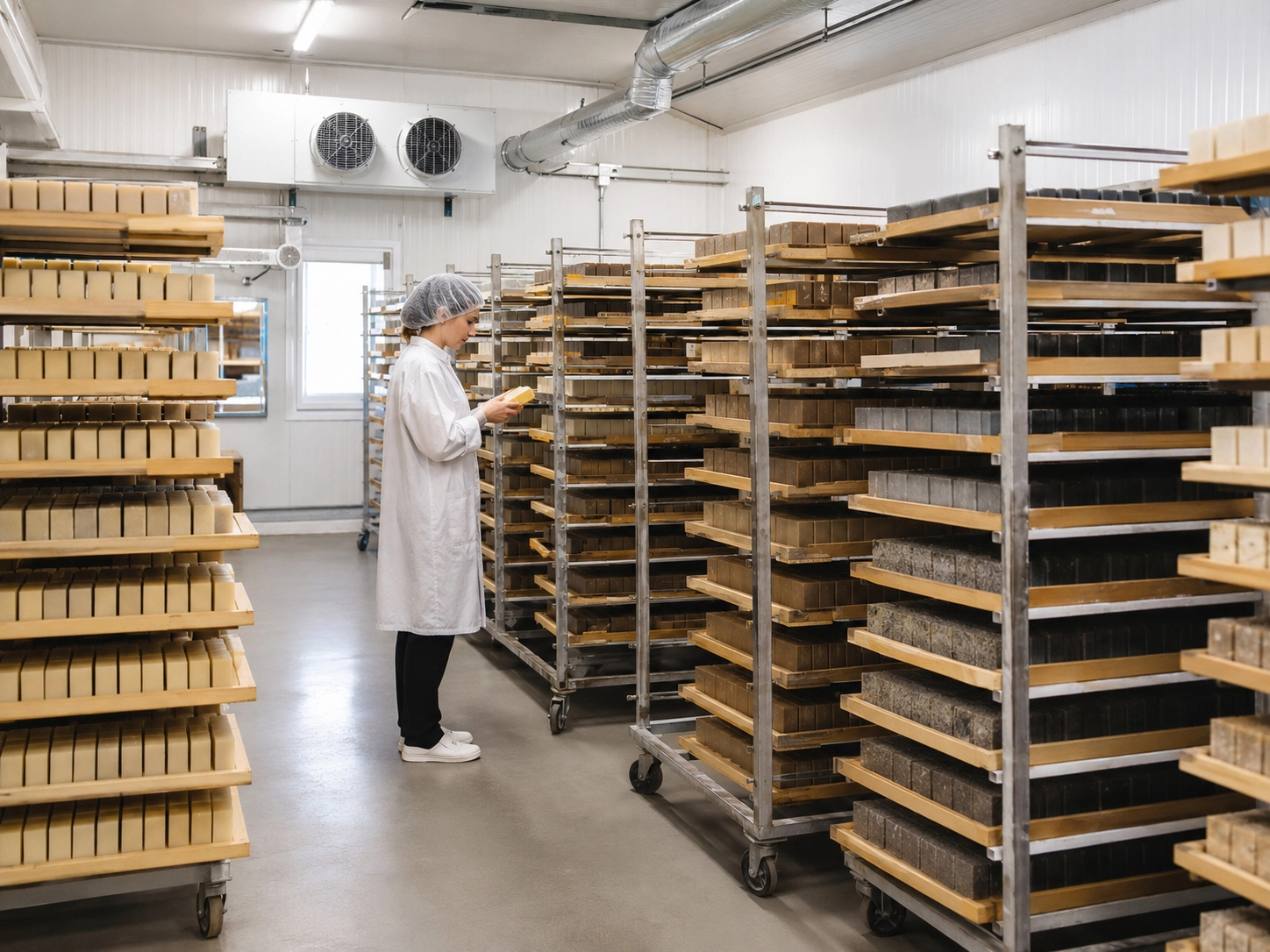
In cold process soapmaking, oils and lye are combined and the resulting batter is poured into moulds, where saponification runs to completion over the following 24 to 48 hours. The bar is then cut, stacked, and left to cure. Nothing is done to the soap after the pour.
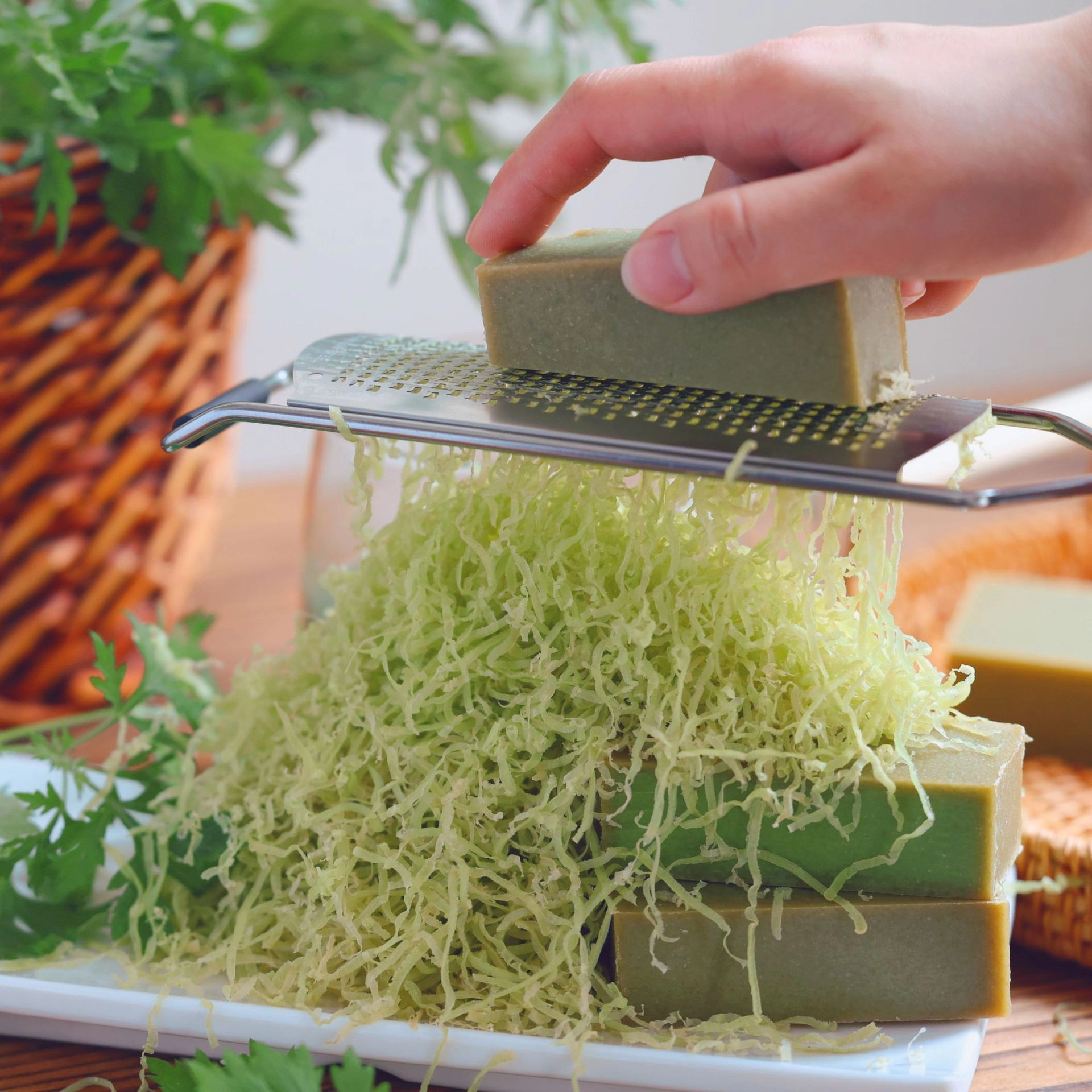
In the hand-milled route — used by Moonyoo Biotechnology across its cold-milled range — a finished soap base is shredded or grated into fine flakes, then warmed gently with added liquids, botanical infusions, fragrance or colour, and pressed or extruded back into shape. The milling refers to that shredding and re-forming step, not to grinding grain.

How Each Route Runs, Step by Step
- Cold process: select and weigh oils → prepare lye solution → blend to trace → add fragrance, colour and botanicals → pour into moulds → insulate and gel → unmould after 24–48 h → cut → cure 4–8 weeks → trim and package.
- Hand-milled: produce or receive a cured soap base → grate into flakes → warm the flakes with liquid and additives → confirm an even, plastic mass → press or extrude into the mould → cool and firm → cure briefly to dry surface moisture → trim and package.
Comparison Across Seven Dimensions
| Dimension | Cold Process | Hand-Milled |
|---|---|---|
| Time from order to ship | Long — curing dominates the calendar | Shorter — the base arrives already cured |
| Bar density and hardness | Varies with water discount and cure | Denser, more uniform, slower to wear down |
| Lather character | Creamy, opens up with longer cure | Fine, dense, quicker to build |
| Surface finish | Artisan texture, occasional soda ash | Smooth, crisp edges, clean mould detail |
| Fragrance retention | Risks evaporating during a long cure | Added late, so more survives to the shelf |
| Colour control | Colour can shift or fade while curing | Easier to match a signed-off standard |
| Suitability for complex shapes | Good for simple forms and swirls | Better for detailed moulds and felted pieces |
What Milling Actually Changes
Three changes matter commercially. First, milling drives out air pockets that cold process batter traps during pouring, so the finished bar is heavier for the same footprint and dissolves more slowly in use. Second, because the base is already fully saponified, there is no residual alkali to irritate skin and no long curing window to schedule around. Third, the additive stage happens on a cooled, stable mass rather than on reactive batter, which makes heat-sensitive ingredients such as milk powders, honey infusions and delicate essential oils far easier to incorporate without scorching.
A Practical Selection Framework
- Choose cold process when the brand story centres on small-batch craft, when simple rectangular bars and swirled tops are acceptable, and when a 6–8 week lead time fits the launch plan.
- Choose hand-milled when you need repeatable colour matching across batches, when fragrance must still be strong at 18 months, when the shape is intricate, or when the retail price supports a denser premium bar.
- Specify both when a collection needs a hero cold-process bar for storytelling alongside a milled core range for volume and consistency.
Curing and Shelf Life Notes
Curing is a drying process, not a resting ritual. A cold-process bar typically loses the majority of its excess water in the first two weeks and continues to harden for several more. A milled bar needs only enough time for surface moisture to even out before wrapping. In both cases the storage environment — cool, dry, out of direct sun, with airflow — affects shelf life more than any additive in the formula.
What to Put in the Purchase Order
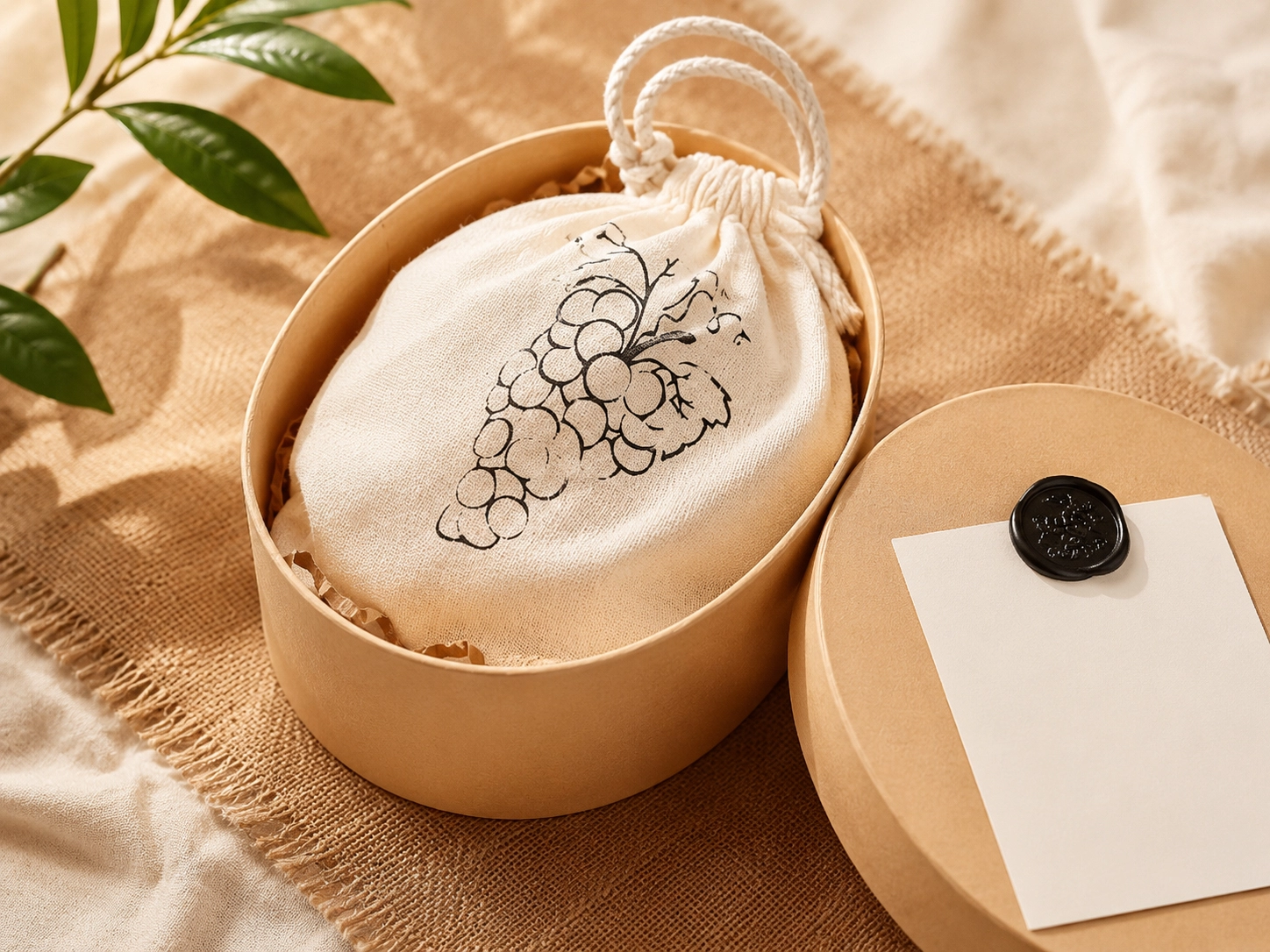
Before signing off, confirm these five points in writing: the declared method for each SKU; the nominal bar weight and the acceptable tolerance; the cure time the supplier will observe before dispatch; the fragrance or essential oil percentage by weight; and the packaging specification, including whether the bar is shrink-wrapped, paper-banded or boxed.
Moonyoo Biotechnology produces both cold-process and cold-milled handmade soap in purely handcrafted, low-temperature lines, and supports sampling before a full production run. Send us your brand brief and we will prepare a matched sample set for evaluation.